Choisir le bon
self-sealing screw for a specific application requires careful consideration of several factors to ensure a proper seal, durability, and overall functionality. Here's a step-by-step guide on how to make an informed selection:
Comprendre les exigences de candidature :
Start by thoroughly understanding the requirements of your application. Consider factors such as pressure, temperature, fluid compatibility, load-bearing capacity, and environmental conditions.
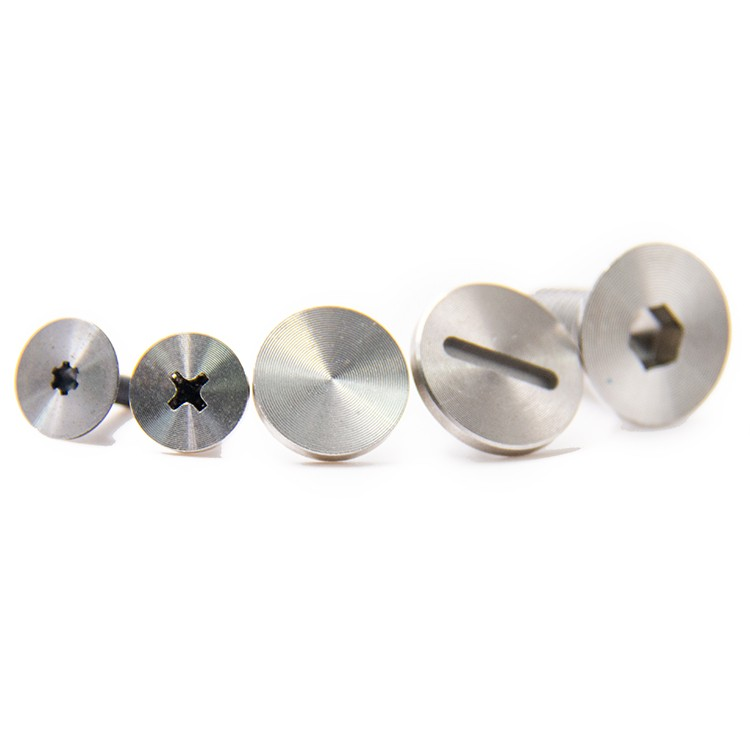
Sélectionnez l'élément d'étanchéité :
Determine the type of sealing element (e.g., O-ring, washer, gasket) that best suits your application. The choice will depend on the specific sealing requirements and the type of fluids or gases involved.
Compatibilité des matériaux :
Ensure that the material of the self-sealing screw and the sealing element is compatible with the fluids or gases in your application. Material compatibility is critical to prevent corrosion or degradation.
Size and Thread Type:
Choose the correct size and thread type for your self-sealing screw. Ensure that it matches the mating component's thread and fits securely.
Tightening Torque:
Determine the recommended tightening torque for the self-sealing screw. Over-tightening can damage the sealing element, while under-tightening can lead to leaks. Follow manufacturer guidelines for torque specifications.
Considérations environnementales :
Consider the operating environment, including exposure to chemicals, UV radiation, extreme temperatures, and moisture. Choose self-sealing screws with coatings or materials that provide protection against environmental factors.
Pressure Rating:
Ensure that the self-sealing screw is rated for the maximum pressure your system will experience. Using screws with a lower pressure rating can result in leaks or failures under pressure.
Temperature Range:
Verify that the self-sealing screw and sealing element can withstand the temperature range of your application. Extreme temperatures can affect the sealing performance.
Fluid Compatibility:
Check if the self-sealing screw and sealing element are compatible with the specific fluids or gases being used. Some materials may swell, degrade, or become brittle when exposed to certain chemicals.
Résistance aux vibrations et aux chocs :
If your application involves significant vibration or shock, choose self-sealing screws designed to withstand these conditions. Locking mechanisms or thread-locking compounds may be necessary.
Considérations relatives aux coûts :
Balance the cost of the self-sealing screw with the performance and reliability it offers. While it's essential to stay within budget, prioritize quality and suitability for the application.
Consultez les fournisseurs ou les fabricants :
Documentation et tenue de registres :
Conservez des enregistrements des vis auto-scellantes utilisées dans votre application, y compris les spécifications, les procédures d'installation et les exigences de maintenance, pour faciliter les remplacements et les inspections futurs.
En évaluant soigneusement ces facteurs et en effectuant des recherches approfondies, vous pouvez sélectionner la bonne vis auto-obturante qui garantit une étanchéité fiable et durable dans votre application spécifique.

.jpg "Rivets double face en laiton de différentes couleurs pour le cuir des bagages")
.jpg "Logo de lettre personnalisé doré sur la plaque métallique arrière pour sac")
.jpg "Vis autotaraudeuse en titane M5 pour meubles en bois, offre spéciale")
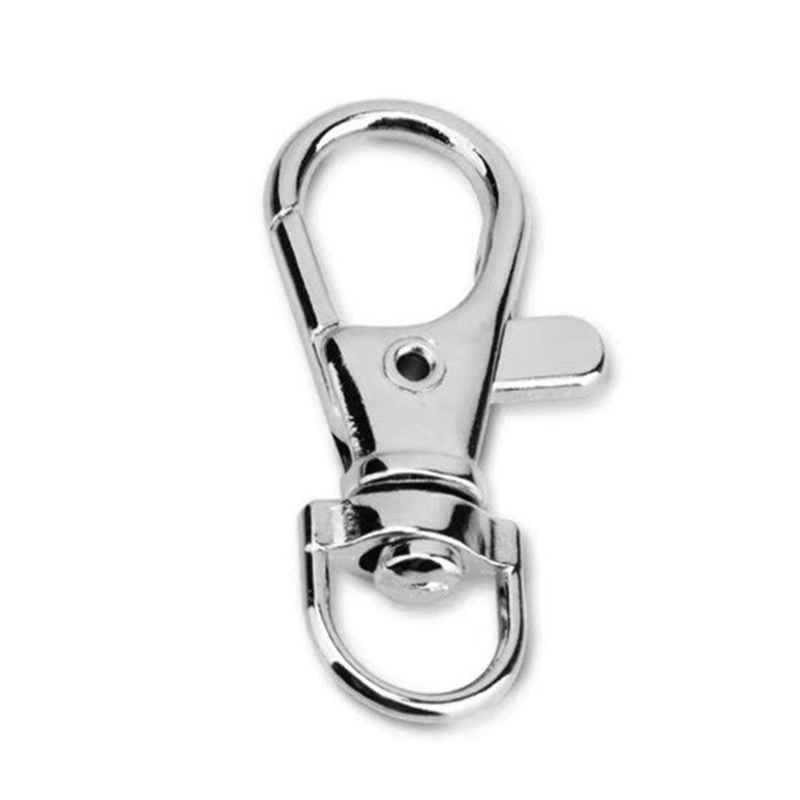
.jpg "Mousqueton à ressort pivotant en laiton pour sac")
.jpg "Vis autotaraudeuse à tête creuse M6X17mm, fixation en titane")